
Tony | Soundtrack review
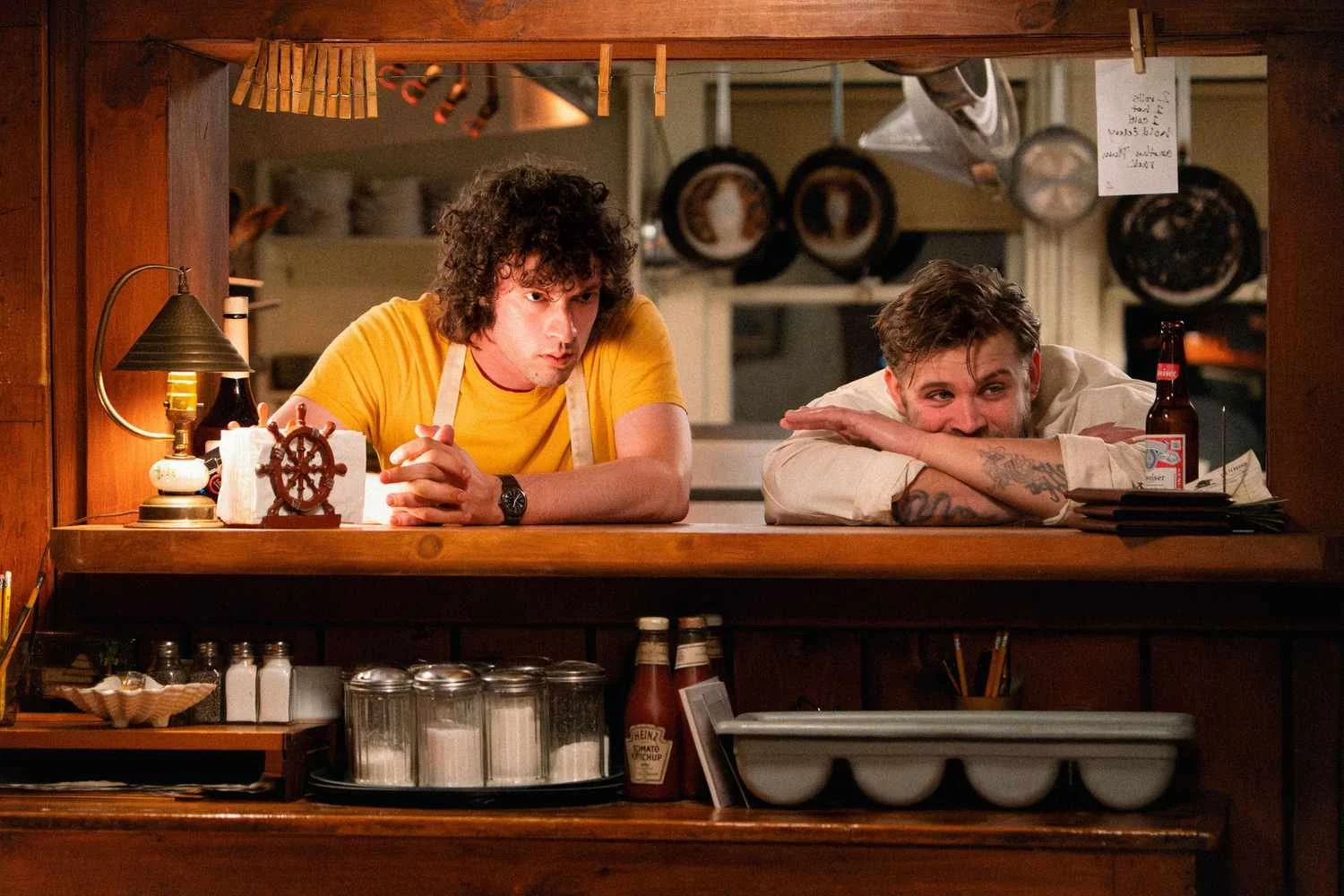
A still from the trailer of the film Tony.
Anthony Bourdain’s life has been well documented and well aggrandized. The world-renowned chef, author, and travel documentarian has been immortalized in countless reflections, articles, films, and biographies. But A24’s recent film, Tony, directed by Matt Johnson, takes a new approach to Bourdain’s story. The biopic compresses three summers a young, unknown, and unlikable Anthony ‘Tony’ Bourdain spent working in Providence, MA, into one pivotal summer. Acting as a bildungsroman, or coming-of-age story, rather than a grand mythologization of his legacy, it’s brutally sincere, honest, and charmingly funny, much like Bourdain’s own work. It’s an amazing film made all the better by an amazing soundtrack and score.
Set in the summer of 1975, the soundtrack features fitting needle drops that capture both the feeling of the era and the highs and lows of growing up. Selected by music supervisor Mandy Mamlet, highlights include “Magic Mountain” by Eric Burdon, “Everything Merges with the Night” by Brian Eno, “Strawberry Letter 23” by the Brothers Johnson, “A Fifth of Beethoven” by Walter Murphy, and, of course, “Old Cape Cod” by Patti Page.
Outside these needle drops, the film’s soundscape is overall very gentle, reminiscent of the 70s films it imitates in tone. Many scenes feature only the backing track of lapping waves or the hum of an afternoon’s crowd. This understated nature carries into the score as well.
Written by Jay McCarrol, who’s consistently collaborated with Matt Johnson, scoring all his previous films and acting alongside him to form their notorious duo Nirvanna the Band, the score draws heavily on that classic New England sound. Featuring dramatic piano and strings, as well as a maritime influence of accordions and harmoniums, these elements balance into a simple but moving score.
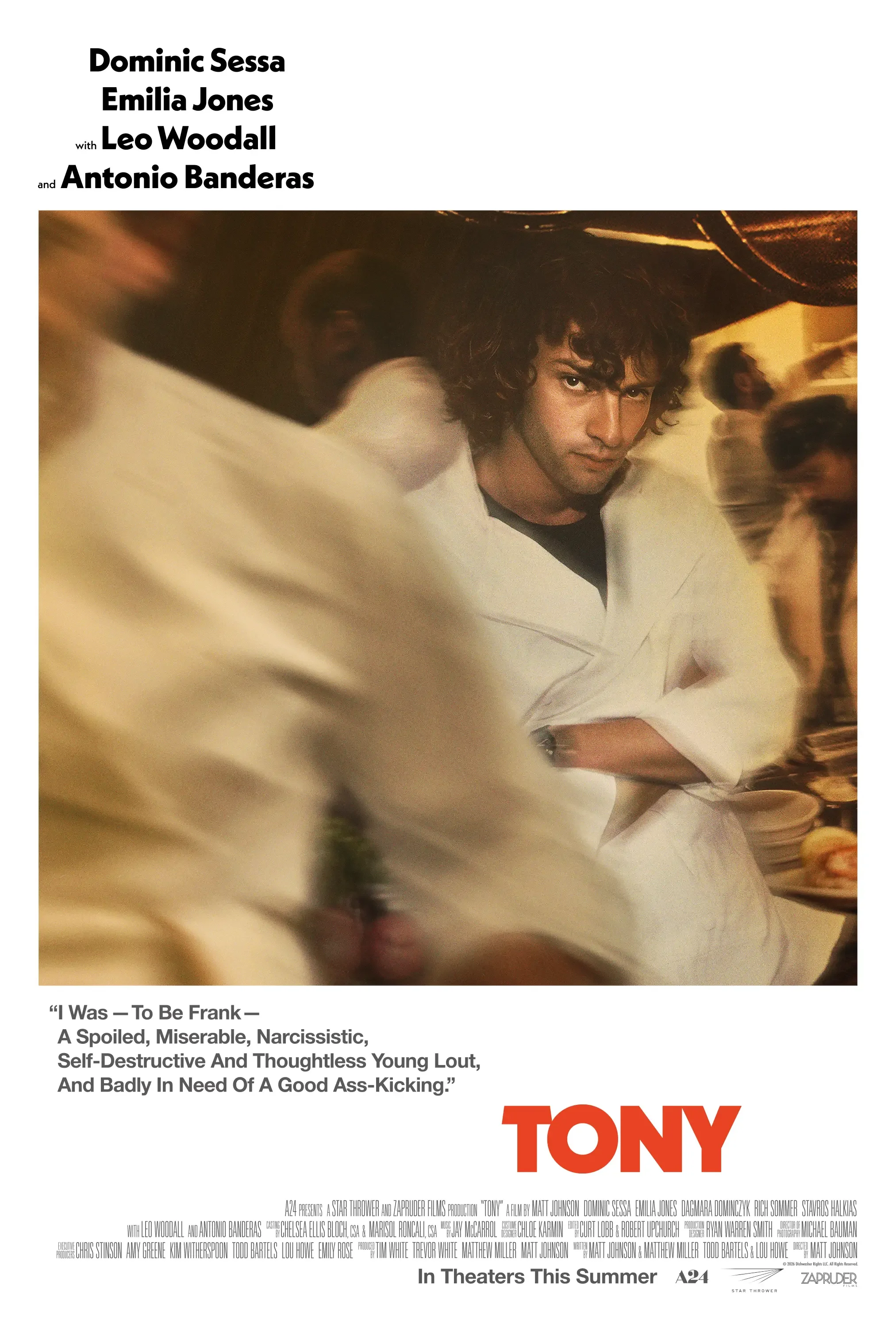

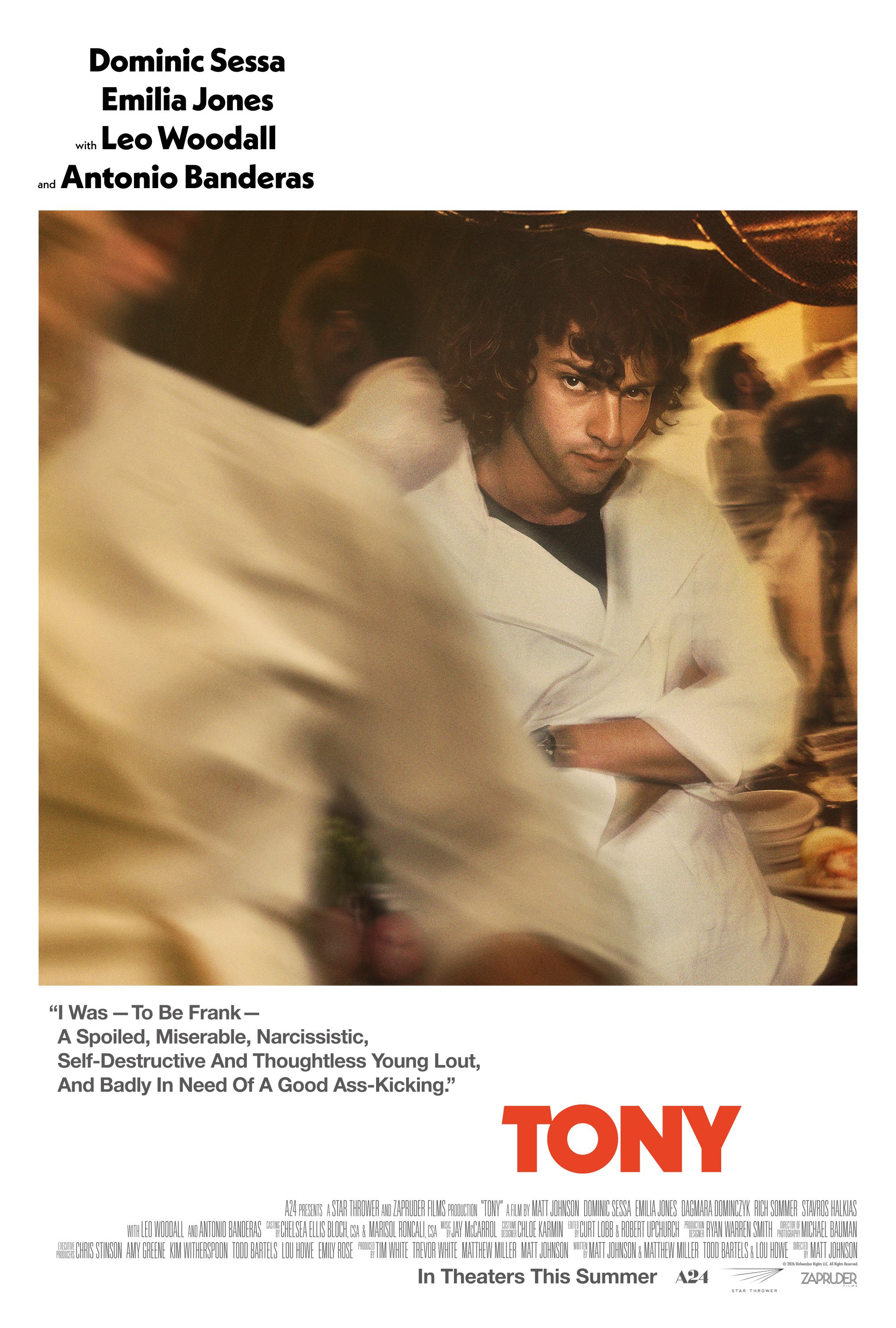
Most pieces center around a leitmotif that represents Tony’s character: a simple, somber but rich progression of single piano notes. In the opening track, “The Meaning of Providence”, the motif is presented raw; it feels lonely but intriguing before being overpowered by strong, dark, menacing chords. It perfectly sets up Tony as a character with all this potential as a bright, if cocky young man, burdened by his own angst of failures and want. In later uses of the motif, McCarrol modulates the progression to reflect key character moments for Tony. In “A Day in the Life of a Writer", which plays as he spends the afternoon with his crush Nancy, the motif is lighter in sound and feels more relaxed, accompanied by a warm guitar backing. Later in “Wave Action", as Tony is first exposed to heroin use through his friend and coworker, the motif becomes heavy and low, overpowered by church bells ringing in the background. These experiences, for better or worse, are what shape Tony into who he becomes, and McCarrol’s score beautifully reflects this maturation and lets the audience into Tony’s head in a way the dialogue of the film never does.
The magnum opus of the score, “Striper Run”, stands out for its lack of simplicity. Playing at the zenith of the film as Tony accompanies his mentor on a chaotic sprint into the ocean at night to catch fresh striped bass, it’s a fittingly almost overwhelming polyphonic masterpiece. Layers upon layers of piano seem to dance and jump like the frenzied fish, and the epic touches of percussion in the piece add to the sense of grandeur and adventure in the scene. But on top of it all, you hear Tony’s motif, full of hope and joy. McCarrol perfectly captures the magic of the moment and how formative it feels for Tony.
Johnson’s next film, Journalism 101, a satire on the true story of Vice Canada’s drug smuggling scandal, is currently filming, and McCarrol is set to produce and score the film. Another collaboration by the duo that many fans eagerly await.